
Market
Why Shoppers Are Turning to Plug-In Hybrids in 2026
After EV discounting dominated headlines, many buyers are choosing PHEVs for electric commuting with gas backup—even as regional sales data shows a more mixed hybrid vs BEV picture.
Quick take
- PHEVs appeal to one-car households needing gas backup for trips.
- Federal and state incentives differ from pure EV credits—verify eligibility.
- Lease residuals on PHEVs can be stronger than EVs in some segments when supply is controlled.
- Used PHEV value hinges on battery health and charging cable inclusion.
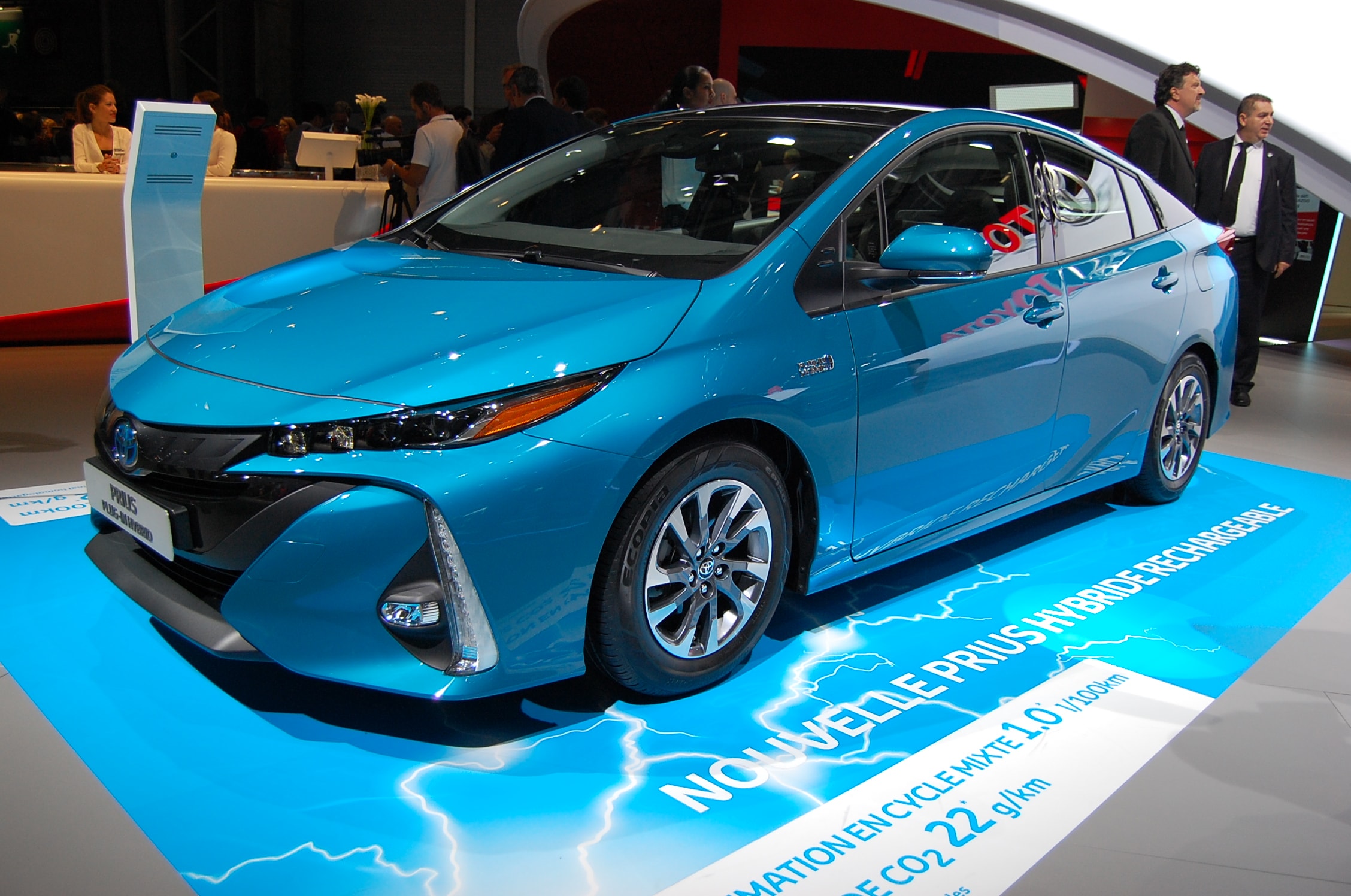
Pure EV headlines in 2026 still focus on price cuts and inventory gluts—but showroom conversations and manufacturer powertrain plans tell a parallel story: plug-in hybrids (PHEVs) keep winning buyers who want 30–50 miles of electric commuting without committing to long-distance charging stops. That does not mean PHEVs are outselling pure EVs in every region—U.S. and European data in mid-2026 show a mixed picture, with conventional hybrids often growing faster than either—and BEVs still expanding in some markets. Toyota's multi-pathway messaging (exemplified by simultaneous Hilux diesel and BEV launches) mirrors what many U.S. dealers report anecdotally: hybrid and PHEV days-supply can be tighter than heavily discounted EV nameplates. For LookyLeasy shoppers, the split matters twice: lease takeovers on PHEVs carry different fuel and tax assumptions than BEVs, and private sellers must disclose how prior owners used (or ignored) plug-in charging.
What's driving PHEV demand
Charging infrastructure improved in major metros but remains inconsistent for apartment dwellers and rural buyers. PHEVs offer a compromise: charge nightly for commuting, run gasoline on weekends.
Automakers facing EV margin pressure are allocating plant capacity to hybrids and PHEVs with proven supplier chains—reducing the fire-sale EV dynamics seen in some 2025–2026 cohorts.
Lease and finance implications
Captive lenders sometimes set more conservative residuals on early EVs while PHEVs track closer to ICE counterparts—especially in Toyota, Lexus, and European premium lines. That can mean lower lease payments even when MSRP is similar.
Lease takeover shoppers should ask sellers how often the vehicle was plugged in. A PHEV driven like a gas car may have higher fuel costs than the listing suggests.
Private sale and marketplace tips
Sellers on LookyLeasy should include charging equipment, battery warranty status, and recent fuel/electric consumption if known. Buyers discount listings missing OEM charge cords.
Compare PHEV takeover payments to new hybrid leases—sometimes a short remaining PHEV term beats a fresh 36-month commitment when incentives are weak.
Lease takeover angle
Assuming a PHEV lease transfers the prior owner's mileage bank and wear history—but not their charging habits. Inspect tires and brake wear; heavy gas-mode driving on a heavy PHEV can look like high-mileage ICE wear.
Confirm whether your utility or employer charging benefits transfer to you; they don't follow the car automatically.
Key takeaways
- • PHEVs remain a 2026 shopper compromise between discounted BEVs and pure gas cars.
- • Lease math and residuals can favor PHEVs in several segments—verify locally.
- • Disclose charging usage in listings and verify incentives before signing.
Sources
We link to primary reporting and official sources whenever possible. Editorial analysis is labeled separately from verified announcements.
Quick reader survey
What are you shopping for next?
Related guides
Get lease takeover alerts
Enter your email and we’ll save your interest for matching lease opportunities.
No automated emails are sent yet. LookyLeasy is free to list and browse; leasing company and third-party fees may apply.