Recalls
NHTSA Opens Rulemaking on Flush and Electronic Door Handles
On July 23, 2026, NHTSA began an industrywide rulemaking process addressing emergency egress and flush electronic door handles, while separately denying a petition for a Tesla-specific investigation tied to a 2022 Model 3 incident.
Quick take
- NHTSA opened industrywide rulemaking on flush and electronic door handles on July 23, 2026.
- Separately, NHTSA denied a petition for a Tesla-specific defect investigation tied to a 2022 Model 3 incident.
- The rulemaking targets emergency egress, meaning how easily occupants and first responders can open doors in a crash or power-loss scenario.
- Flush and electronic handles have spread well beyond Tesla to many other EV and luxury brands, which is why NHTSA chose a rule rather than a single-brand investigation.
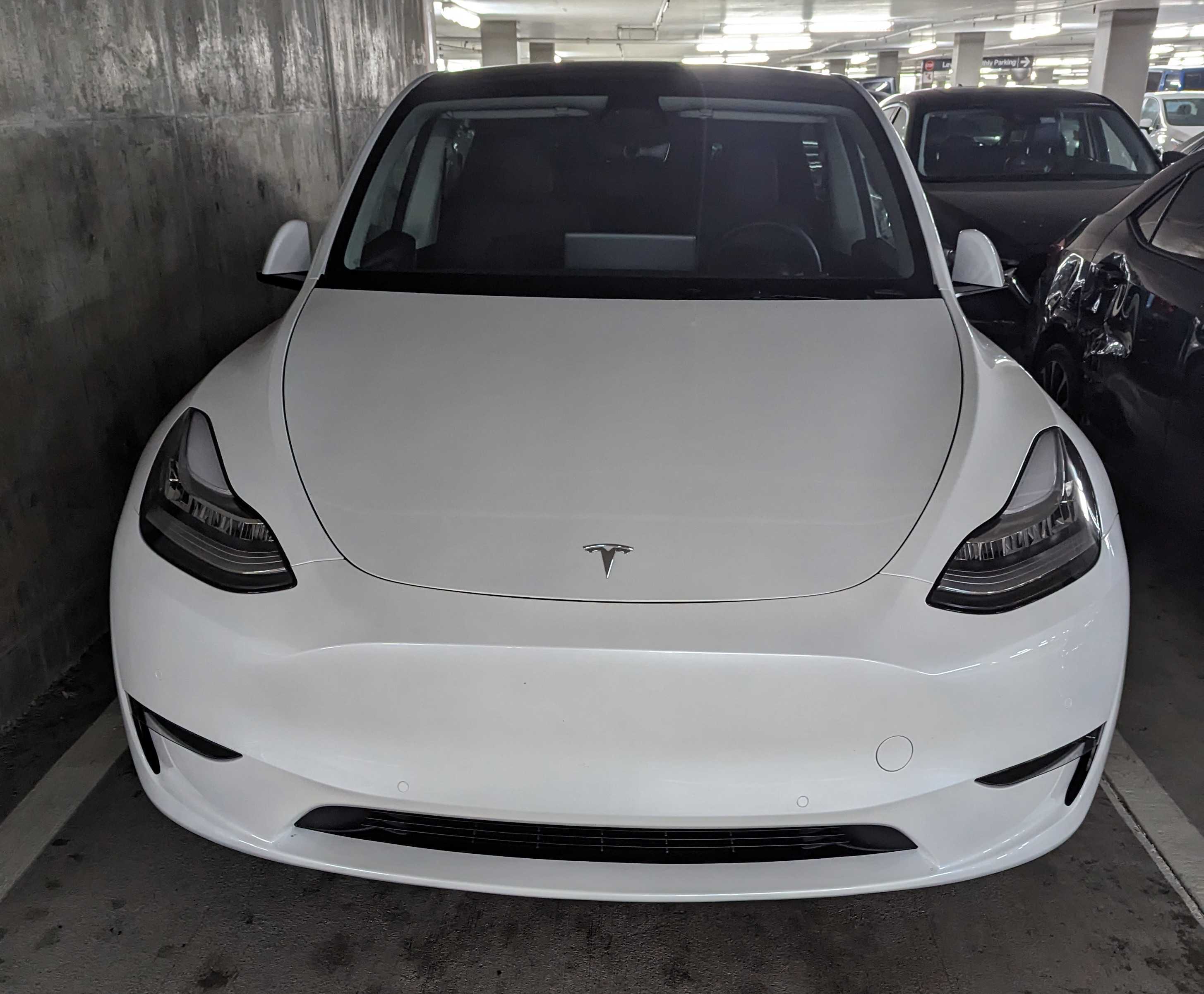
The National Highway Traffic Safety Administration confirmed on July 23, 2026 that it is starting an industrywide rulemaking process focused on emergency egress and flush, electronically operated door handles, a design trend that has spread from Tesla to many other EV and luxury automakers over the past several years. At the same time, NHTSA denied a petition asking it to open a formal defect investigation into a specific incident involving a 2022 Tesla Model 3, according to reporting from TechCrunch, Transport Topics, and Semafor. The two decisions together send a nuanced signal: regulators are not singling out Tesla for enforcement action on this particular case, but they do see enough of a pattern across the industry, spanning multiple brands that have adopted flush or button-operated handles, to justify writing a new safety standard rather than relying on case-by-case defect investigations.
What NHTSA announced
NHTSA's move to open rulemaking, rather than continuing to handle door-handle concerns through individual complaints and investigations, signals the agency believes the issue is systemic rather than tied to one manufacturer's implementation. Semafor's reporting frames this as part of a broader federal effort to regulate hidden or non-mechanical door releases across the industry.
Rulemaking is a slower, more formal process than a defect investigation. NHTSA will typically publish a notice of proposed rulemaking, take public comment, and then finalize a standard, a process that can take a year or more before any new requirement takes effect. Transport Topics' coverage notes the agency has not yet published a specific timeline for the proposed rule's text.
The Tesla petition NHTSA denied
The petition NHTSA rejected asked specifically for a defect investigation into a 2022 Model 3 incident, which TechCrunch's reporting ties to broader public concern about occupants or rescuers struggling to open Tesla doors after a crash or loss of power, when the electronic release may not function and the manual mechanical release is not obvious or easily reached.
Denying the individual petition does not mean NHTSA found no issue at all. Rather, the agency appears to have concluded that the more effective path is a new, forward-looking safety standard covering all manufacturers using similar flush or electronic handle designs, rather than a narrow investigation into one automaker's past incident.
Why flush handles became a safety flashpoint
Flush door handles gained popularity for aerodynamic efficiency, which matters for EV range, and for a cleaner, tech-forward aesthetic. But they typically rely on electronic actuators or capacitive touch sensors that can fail if a vehicle loses power in a crash, and many drivers, passengers, and first responders are unfamiliar with where a hidden mechanical backup release is located, if one exists at all.
Automakers beyond Tesla, including several luxury and EV brands, have adopted similar flush or button-style designs in recent years, which is precisely the pattern that pushed NHTSA toward a rule that applies to the whole industry rather than enforcement action against a single company.
What this means if you own or shop for an EV
Owners and shoppers of any vehicle with flush or electronic door handles should locate the mechanical backup release for every door before an emergency happens, not during one. Manuals often bury this information, and it is frequently different for front and rear doors.
Expect NHTSA's eventual rule, once finalized, to require clearer manual releases, better labeling, or design standards that keep doors operable even after a power loss or crash. Until then, this remains guidance rather than a binding requirement, so buyers should not assume every current model already meets a future standard.
Leasing angle
If you are assuming a lease takeover on a vehicle with flush or electronic door handles, ask the current owner to show you exactly where the manual releases are on every door, front and rear, before you sign. Do not assume the mechanism works identically to a different model you have owned.
Because this is a rulemaking process rather than a finalized standard, current lease and purchase decisions should not wait on new rules that may not take effect for a year or more. Treat this as a safety-literacy issue today, not a reason to delay a otherwise sound deal.
What to watch next
- →NHTSA's published notice of proposed rulemaking and the specific technical requirements it proposes.
- →Whether individual automakers make voluntary design changes to door handles ahead of a final rule.
- →Any renewed petitions or investigations tied to specific incidents while the broader rulemaking proceeds.
Key takeaways
- • NHTSA is pursuing an industrywide rule on flush and electronic door handles rather than a single-brand investigation.
- • A petition for a Tesla-specific investigation tied to a 2022 Model 3 incident was denied on the same day.
- • The core safety concern is emergency egress: whether doors can be opened after a crash or power loss.
- • Owners and shoppers should locate manual door releases now, regardless of how the eventual rule turns out.
FAQ
Did NHTSA recall any vehicles over door handles?
No. NHTSA opened a rulemaking process, which is a step toward a possible future safety standard, not a recall. It also denied a specific petition for a Tesla defect investigation on the same day.
Is this rule only about Tesla?
No. NHTSA's rulemaking is described as industrywide, covering flush and electronic door handle designs used by multiple automakers, not a single brand.
How do I find the manual door release on my car?
Check your owner's manual for each door, since front and rear releases are often located and operated differently. If you cannot find clear instructions, contact your dealer or manufacturer directly before an emergency makes it urgent.
Sources
We link to primary reporting and official sources whenever possible. Editorial analysis is labeled separately from verified announcements.
- TechCrunch: Tesla's door handles may spur new U.S. safety rulesPublished 2026-07-23
- Transport Topics: NHTSA moves on car door safety rulesPublished 2026-07-23
- Semafor: US moves to regulate hidden car handlesPublished 2026-07-23
- NHTSA: Recalls and safety issues
Quick reader survey
What are you shopping for next?
Related guides
Get lease takeover alerts
Enter your email and we’ll save your interest for matching lease opportunities.
No automated emails are sent yet. LookyLeasy is free to list and browse; leasing company and third-party fees may apply.