
Market
Senate Panel Advances Bill to Restrict Chinese-Linked Connected Vehicles
The Senate Commerce Committee unanimously advanced the Connected Vehicle Security Act on July 22, 2026, a bill from Senators Slotkin and Moreno that would bar sales of vehicles more than 15 percent owned by covered foreign countries.
Quick take
- Senate Commerce Committee unanimously advanced the Connected Vehicle Security Act on July 22, 2026.
- Sponsored by Senators Elissa Slotkin and Bernie Moreno; filed as S.4429.
- Targets vehicles with more than 15 percent ownership tied to China or other covered countries.
- Draft effective date is January 1, 2027; the bill still needs a full Senate vote and reconciliation with any House version.
- Raises questions for automakers with Chinese investment stakes, including reported roughly 20 percent Chinese ownership tied to Mercedes-Benz; Polestar's existing MY2027 restriction is the closest precedent.
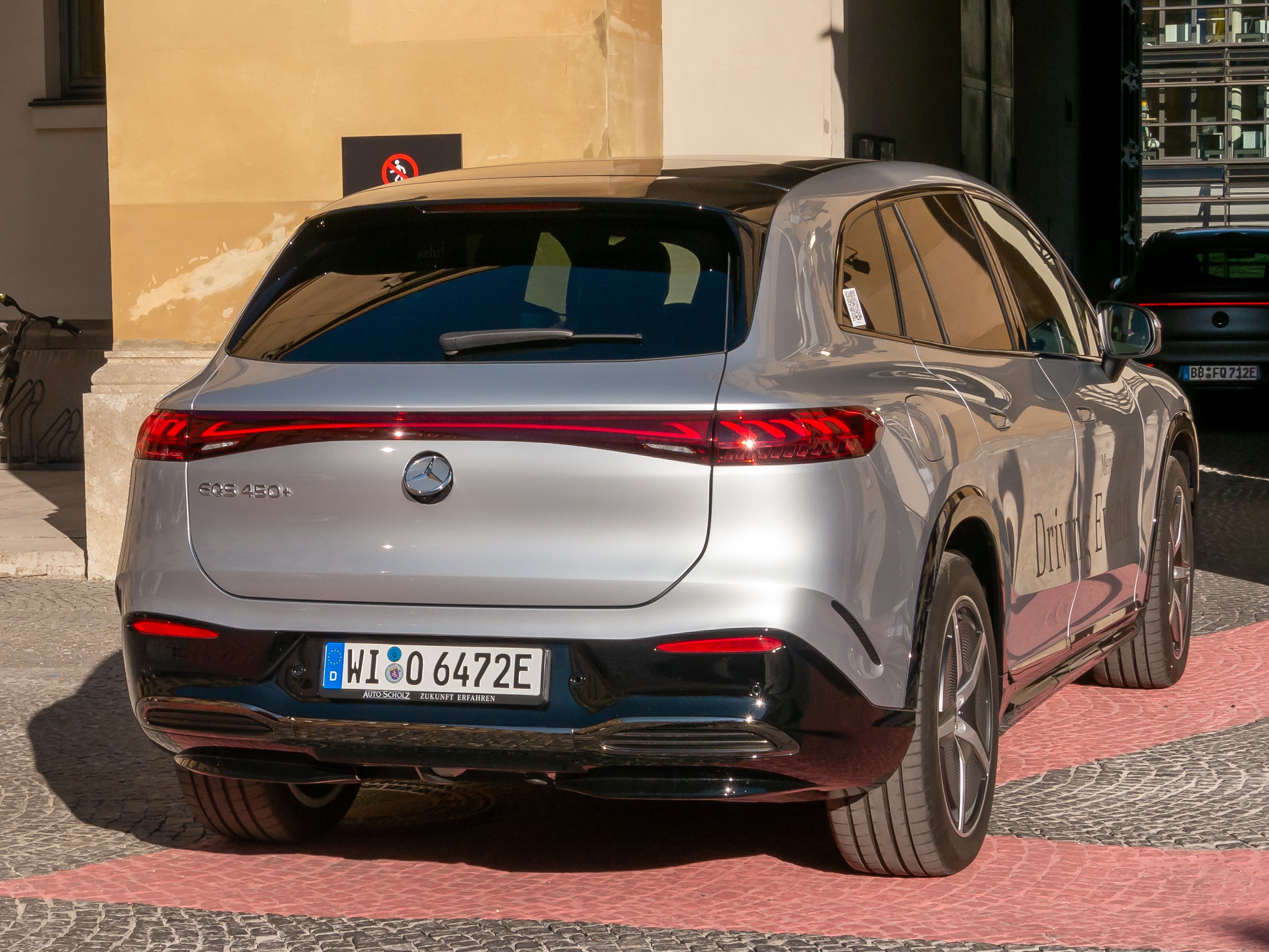
The Senate Commerce Committee voted unanimously on July 22, 2026 to advance the Connected Vehicle Security Act, a bipartisan bill from Senators Elissa Slotkin and Bernie Moreno that would restrict sales of vehicles with more than 15 percent ownership tied to China or other covered foreign countries. The bill, formally filed as S.4429, builds on the Commerce Department's existing Connected Vehicle Rule, the same regulatory framework that already blocked Polestar from selling model-year 2027 and newer vehicles in the United States earlier in 2026. As drafted, the bill's restrictions would take effect January 1, 2027, and reporting from the Detroit Free Press and USA Today notes it raises specific questions about automakers with meaningful Chinese ownership stakes, including reported concerns around roughly 20 percent Chinese investment tied to Mercedes-Benz, even though Mercedes is a German company. Senator Ted Cruz has signaled he wants amendments before a full Senate vote, meaning the bill's final shape is not locked in.
What the Senate Commerce Committee did
A unanimous committee vote is a strong signal of bipartisan support, even though it is only one step in the legislative process. The bill still needs to clear a full Senate floor vote, and if it passes there, it would need to be reconciled with any companion legislation in the House before reaching the President's desk.
Slotkin's own office, in a statement announcing the advancement, frames the bill as a national economic security measure aimed at preventing vehicles linked to foreign adversaries from embedding connected-car technology, including software, sensors, and communications hardware, into the American transportation system at scale.
Who the 15 percent ownership threshold could affect
The bill's core mechanism is an ownership threshold: vehicles connected to companies with more than 15 percent ownership from covered foreign countries, a list that centers on China, would face sales restrictions in the United States. That threshold is broader than simply banning Chinese-badged cars outright; it can sweep in automakers based elsewhere that have taken on Chinese investment.
USA Today's reporting specifically flags Mercedes-Benz, noting concerns tied to roughly 20 percent Chinese investment in the German automaker, as an example of how the rule could create complications for brands that are not commonly thought of as Chinese-owned. The bill's language and any exemptions for minority financial investment versus operational control will matter enormously in how broadly it ends up applying.
Where the bill goes next
Senator Ted Cruz's stated interest in amendments before a full floor vote means the bill's final text, ownership thresholds, and effective date could all shift before becoming law. The committee vote reflects strong support for the concept, not final agreement on every detail.
If the bill proceeds on its current draft timeline, the effective date would land January 1, 2027, giving automakers roughly five months from committee passage to adjust ownership structures, disclosures, or product plans if the bill ultimately becomes law in anything close to its current form.
Why this follows the Polestar precedent
Earlier in 2026, the Commerce Department denied Polestar authorization to sell model-year 2027 and newer vehicles in the United States under the existing Connected Vehicle Rule, citing the software and ownership ties running through Geely. That action showed regulators are already willing to use connected-vehicle authority against a specific automaker, and the Connected Vehicle Security Act would essentially codify and expand that approach into statute with clearer, broader ownership thresholds.
For shoppers, the Polestar situation is the clearest real-world preview of what this bill could mean elsewhere: existing owners were not required to give up their cars, but future model-year sales, service continuity questions, and residual value all came under scrutiny once the restriction took effect.
Leasing angle
If you are considering a new lease on a vehicle from an automaker with any reported Chinese ownership stake, ask directly whether the manufacturer expects to be affected by the Connected Vehicle Security Act if it becomes law, and get that answer in writing if possible. As the Polestar case showed, restrictions can apply to future model years even while existing vehicles remain legal to own, drive, and service.
Lease takeover shoppers assuming a vehicle from a potentially affected brand should weigh residual value and long-term parts and software support risk the same way current Polestar lease assumers have had to, and should not assume a bill still awaiting a full Senate vote guarantees any particular outcome.
What to watch next
- →Whether the Connected Vehicle Security Act receives a full Senate floor vote and in what amended form.
- →Any public response from Mercedes-Benz or other automakers named in ownership-threshold discussions.
- →Whether a companion bill advances in the House and how the two versions might be reconciled.
Key takeaways
- • The Senate Commerce Committee unanimously advanced the Connected Vehicle Security Act (S.4429) on July 22, 2026.
- • The bill targets vehicles with more than 15 percent ownership tied to China or other covered countries, with a draft effective date of January 1, 2027.
- • Mercedes-Benz has been named in reporting due to reported roughly 20 percent Chinese investment, illustrating how broadly the ownership threshold could reach.
- • Senator Ted Cruz wants amendments before a full vote, so the bill's final scope is not yet settled.
FAQ
Has the Connected Vehicle Security Act become law?
Not yet. As of this reporting, it has only passed the Senate Commerce Committee unanimously. It still needs a full Senate floor vote and would need to be reconciled with any House companion legislation before becoming law.
Would this bill ban Mercedes-Benz vehicles?
Not necessarily. Reporting has flagged Mercedes-Benz due to a reported roughly 20 percent Chinese investment stake as an example of how the bill's 15 percent ownership threshold could create complications, but no automaker-specific ban has been finalized, and the bill's language may still change through amendments.
Does this affect vehicles I already own or lease?
Based on how the existing Connected Vehicle Rule was applied to Polestar, restrictions of this kind have targeted future model-year sales rather than requiring current owners to give up vehicles. However, service, software support, and resale value can still be affected, so ask any potentially affected manufacturer directly about their plans.
Sources
We link to primary reporting and official sources whenever possible. Editorial analysis is labeled separately from verified announcements.
- Office of Senator Elissa Slotkin: Slotkin, Moreno bill to protect national economic security from Chinese vehicles advances unanimouslyPublished 2026-07-22
- Congress.gov: S.4429 - Connected Vehicle Security ActPublished 2026-07-22
- Detroit Free Press: Bill to ban Chinese connected cars advanced by Slotkin moves forward in SenatePublished 2026-07-22
- USA Today: Senate committee approves ban on sales by automakers more than 15 percent owned by ChinaPublished 2026-07-22
Quick reader survey
What are you shopping for next?
Related guides
Get lease takeover alerts
Enter your email and we’ll save your interest for matching lease opportunities.
No automated emails are sent yet. LookyLeasy is free to list and browse; leasing company and third-party fees may apply.